

Kuala Lumpur, 6 October 2026 – Khazanah Nasional Berhad (“Khazanah”) is building momentum through Dana Impak, with RM2.6 billion mobilised in investments to support around 130 Malaysian and Malaysian-linked companies and more than 4,200 talent, 64% of whom are in skilled roles[1].
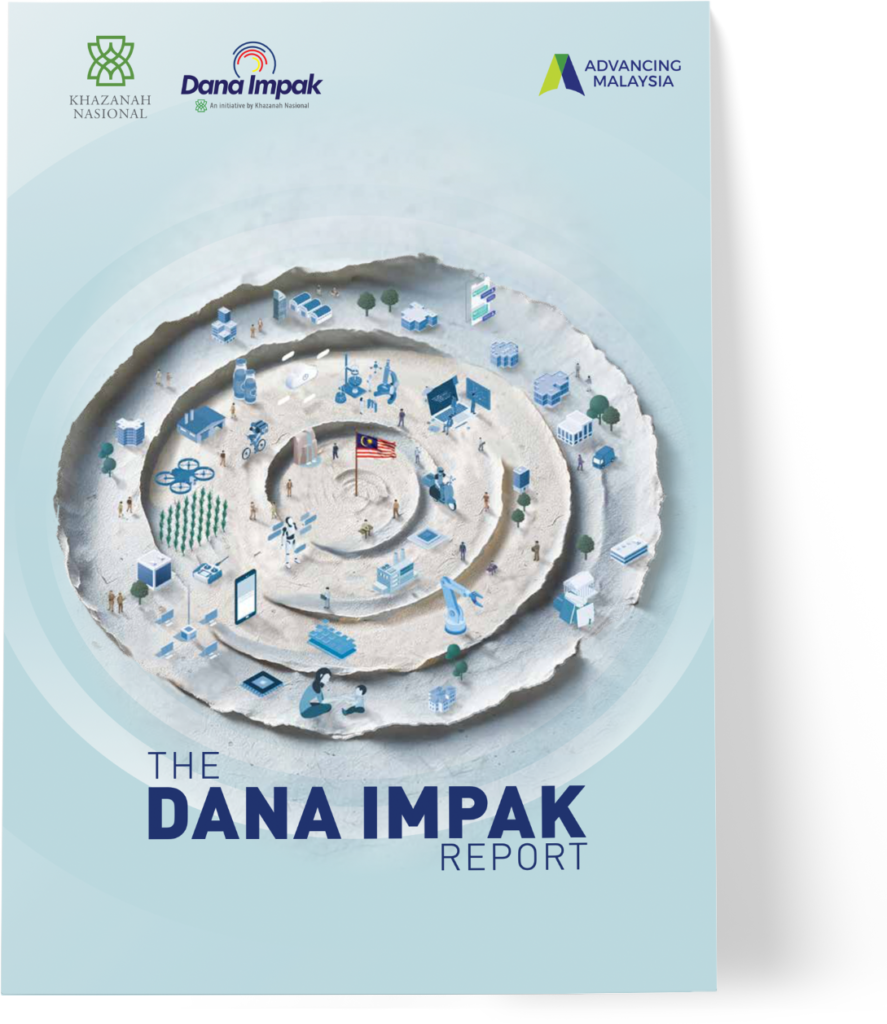
The Dana Impak Report (“The Report”) launched today also sets out Dana Impak’s catalytic role in crowding in capital and strategic partners alongside Khazanah, reflecting a broader whole-of-Malaysia approach to support the growth of Malaysian companies and entrepreneurs. As at 31 December 2025, RM905 million deployed into these companies had directly crowded-in RM433 million of external capital, equivalent to 48 sen for every RM1 invested by Khazanah.
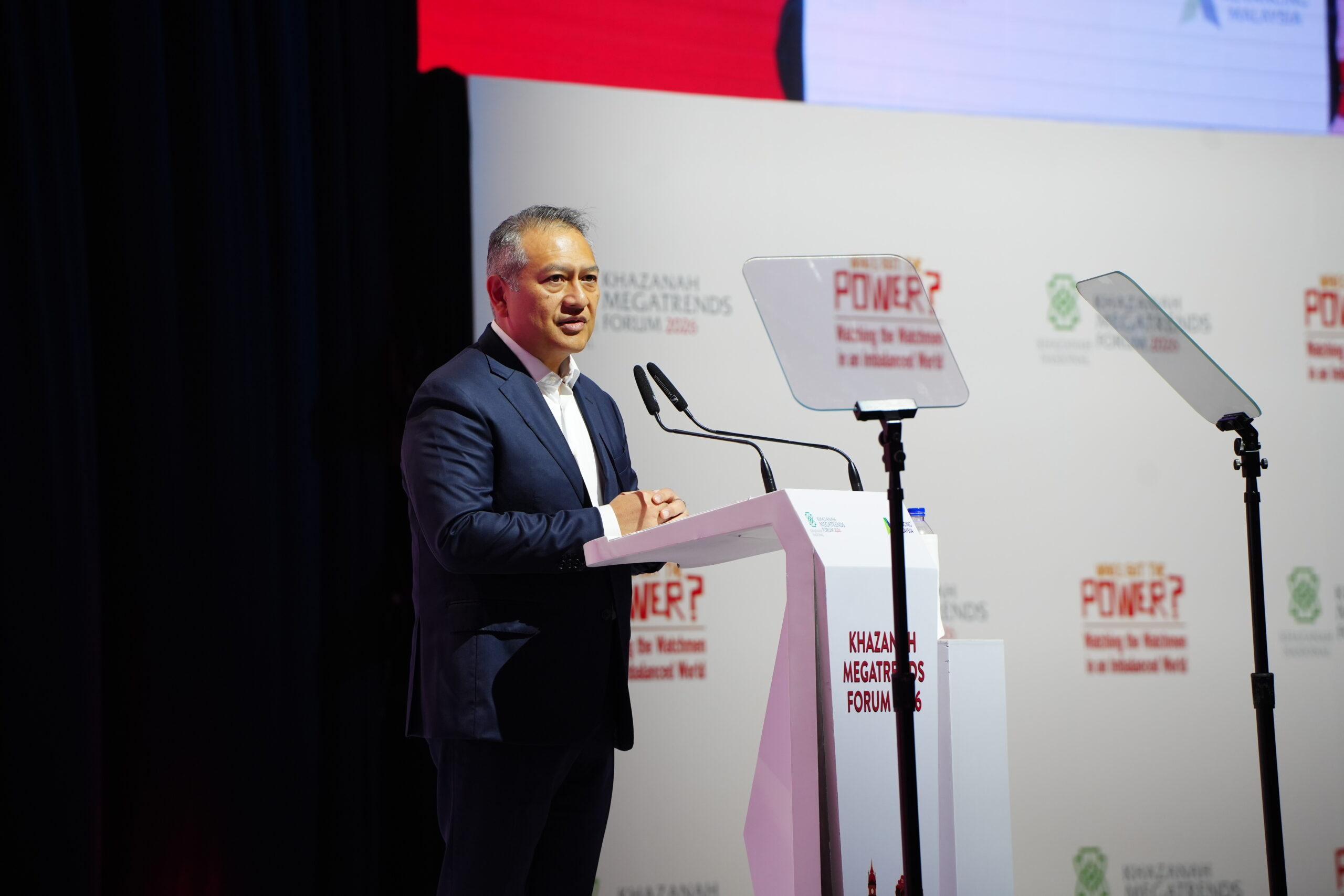
Dato’ Amirul Feisal Wan Zahir, Managing Director of Khazanah, said: “As a purpose-driven, long-term investor, we recognise that Malaysia’s resilience increasingly depends on the strength of our own firms, particularly as capital becomes more selective and global markets more complex. The progress of Dana Impak reflects a collective effort, with Government, investors, fund managers, industry partners and institutions coming together to strengthen Malaysia’s firms across their growth cycles, improve their investability and enable access to deeper pools of capital over time.
“Looking ahead, Dana Impak will continue to deepen capabilities and talent in strategic ecosystems, and under the Ministry of Finance’s GEAR-uP initiative, we will continue to mobilise capital and partnerships to support more Malaysian companies and entrepreneurs scale, compete globally and capture a greater share of the value they create,” Dato’ Feisal added.
Dana Impak combines catalytic capital with capacity-building, partnerships and networks to strengthen Malaysian firms and develop strategic ecosystems for new engines of growth. Since 2024, it has sharpened its focus towards a programmatic approach across three focus areas: venture capital and startup ecosystem, mid-tier companies and semiconductor and advanced manufacturing.
Through Jelawang Capital, Dana Impak is strengthening Malaysia’s venture and startup ecosystem with an allocation of up to RM1 billion, expanding access to early-stage funding while building a stronger pool of local and established regional fund managers. Jelawang Capital has supported five Malaysian fund managers under its Emerging Fund Managers’ Programme (“EMP”) and committed into two fund managers under the Regional Fund Managers’ Initiative (“RMI”). Together, these initiatives broaden access to capital, talent and international opportunities, while bringing cross-border deal flow, global networks and institutional know-how into the domestic market.
For mid-tier companies, capacity development is paired with private equity, private credit solutions and direct investments to strengthen capabilities and expand access to growth capital. Dana Impak’s capacity building programmes such as the MTC Growth Innovation Programme (“MGIP”) and ELEVATE Programme continue to support mid-tier companies to grow, innovate and access new markets. As at end 2025, Khazanah has supported 48 Malaysian mid-tier companies through both the MGIP and Elevate programmes.
In semiconductor and advanced manufacturing, specialist fund managers and strategic investments are helping build higher-value technology, industrial and talent capabilities in Malaysia. This includes Khazanah’s support for SkyeChip, from its early-stage journey through to a leading cornerstone investment in its initial public offering, while Cambrian Fund, a partnership between Khazanah, the co-founders of ViTrox and Southern Capital Group, raised a total of RM104.5 million to support the Malaysia’s next generation of IR4.0 entrepreneurs.
The Report also highlights the continued evolution of Khazanah’s approach to measuring impact through the Socio-Economic Metrics Assessment Ratings at Khazanah (“SEMARAK”) framework. Developed in 2022 and progressively refined, SEMARAK provides a programmatic approach to assess Dana Impak investments against its three core impact pillars – catalysing strategic ecosystems, transforming Malaysian firms and building future Malaysian champions – with impact assessed and tracked throughout the investment lifecycle alongside financial performance.
The Report includes selected stories across its portfolio, illustrating how Dana Impak is supporting Malaysian companies and ecosystems. Kiddocare highlights efforts to professionalise Malaysia’s care economy; Jalen reflects how capability-building can support an established Malaysian business through its next phase of growth; PolicyStreet shows how technology can widen access to financial protection; Qarbotech traces the commercialisation of Malaysian university research; and Asia Pacific University highlights the role of capital and partnerships in strengthening a homegrown education institution. Vynn Capital, meanwhile, illustrates how supporting local fund managers can deepen Malaysia’s venture ecosystem.
Moving forward, Khazanah will continue to develop new Dana Impak programmes guided by its core impact pillars, supporting promising Malaysian firms, entrepreneurs and talent while deepening the strategic ecosystems needed to build Malaysia’s future economic capabilities.
The Report can be downloaded at danaimpak.khazanah.com.my.
SELECTED QUOTES ON DANA IMPAK
Dato’ Amirul Feisal Wan Zahir, Managing Director of Khazanah Nasional Berhad
- On Dana Impak’s purpose and the need to strengthen Malaysia’s wider business ecosystem.
“No country can rely on the Government alone; it takes the whole ecosystem. For us, that means focusing on people and firms, by catalysing Malaysian companies to grow and succeed. That is the purpose of Dana Impak: to strengthen the ecosystem, from start-ups and mid-tier companies to larger firms.”
- On the importance of scale, mid-tier companies and start-ups in building future Malaysian champions.
“What we realise is that if we want to build Malaysian champions, we need scale. Mid-tier companies are important as they represent less than 2% of firms in the country, but contribute about 40% of GDP and employ about 16% of the workforce. At the same time, start-ups and early-stage companies are important because you need that constant innovation and new ideas. But when we look at why our companies are not larger, we realise it is a whole ecosystem matter. There are gaps that capital alone may not address, and that is where Dana Impak comes in – whether through our own interventions or crowding in capital and talent. That is essentially what Dana Impak is about: catalysing strategic ecosystems, transforming firms and, ultimately, building future Malaysian champions.”
- On Dana Impak’s shift towards a programmatic approach and its support for mid-tier companies.
“At Dana Impak, we take a more programmatic approach by looking at the gaps within an ecosystem and how we can address them through the right interventions. For example, with mid-tier companies, we saw that the issue was not necessarily access to capital. Many had reached a certain level of success, but scaling further can be risky, particularly when a family-run business needs to institutionalise as it grows. That is why we introduced programmes such as the Mid-Tier Companies Growth Innovation Programme (MGIP) to build capabilities and help de-risk that growth”.
Kayse Foo, Head of Dana Impak
- On how SEMARAK links Dana Impak’s impact principles to measurable outcomes.
“SEMARAK is the impact measurement framework developed by Khazanah’s Dana Impak to responsibly track our impact, both before and after we invest. Fundamentally, it helps us answer two questions: what does impact success look like, and how have we achieved it? The SEMARAK framework builds upon three impact principles: are we transforming Malaysian firms, building Malaysian champions, or catalysing an ecosystem? At the programme level, we look at the current state of the ecosystem, the root causes of the challenges we are trying to solve, and the levers needed to address them – whether that is capital, talent, or partnerships. At the investment level, we then track outcomes such as the capital we have crowded in, the talent we have supported, and the firms we have impacted.”
END